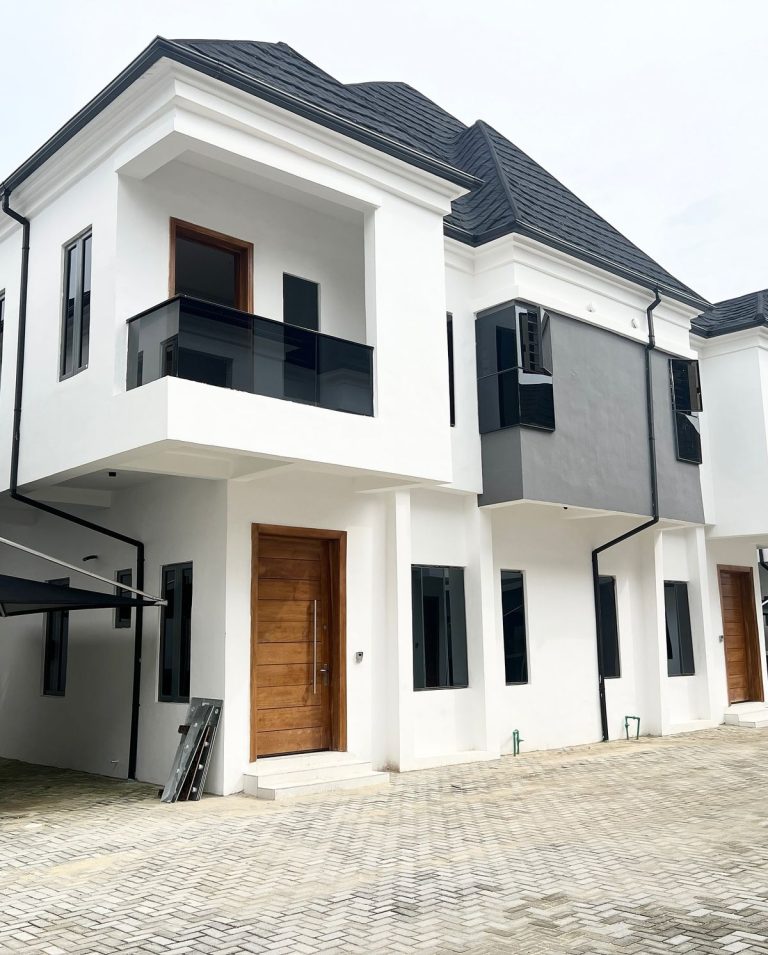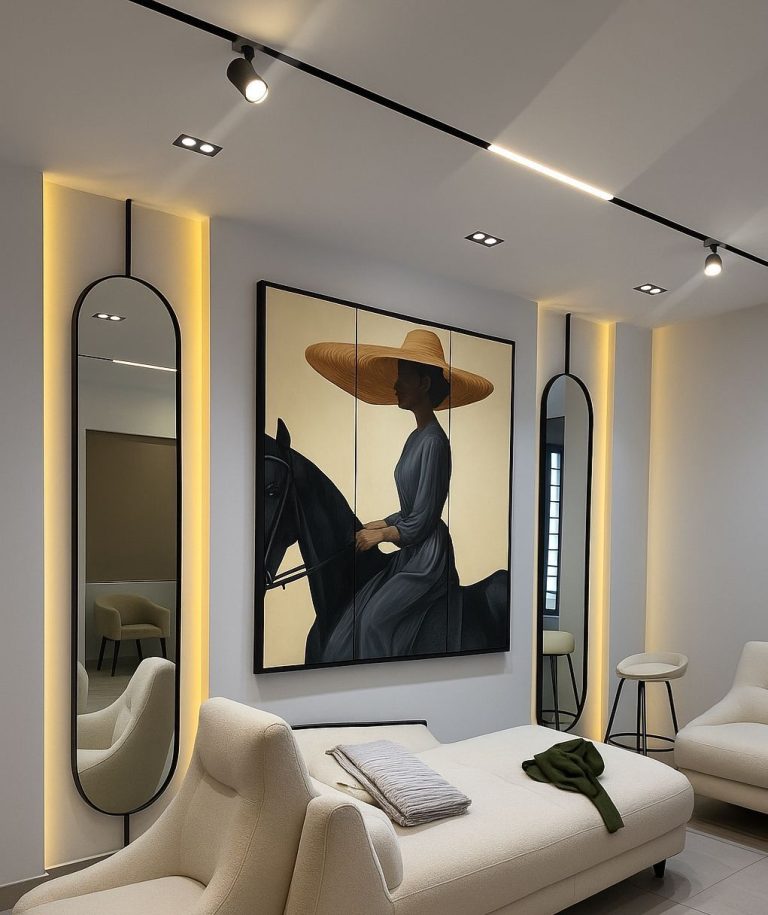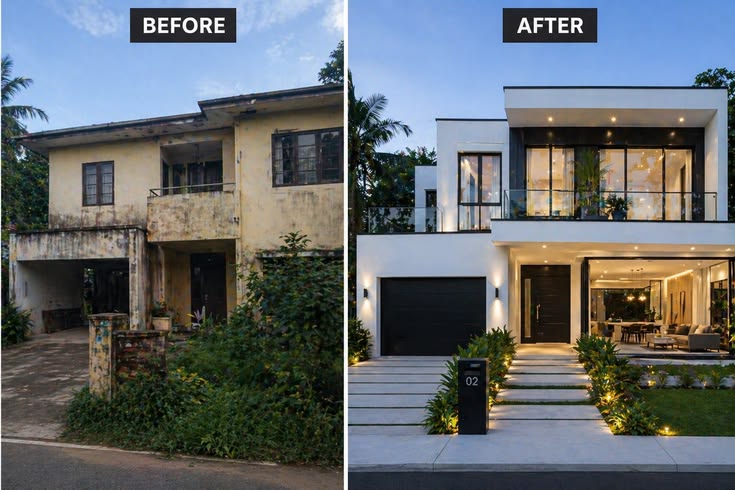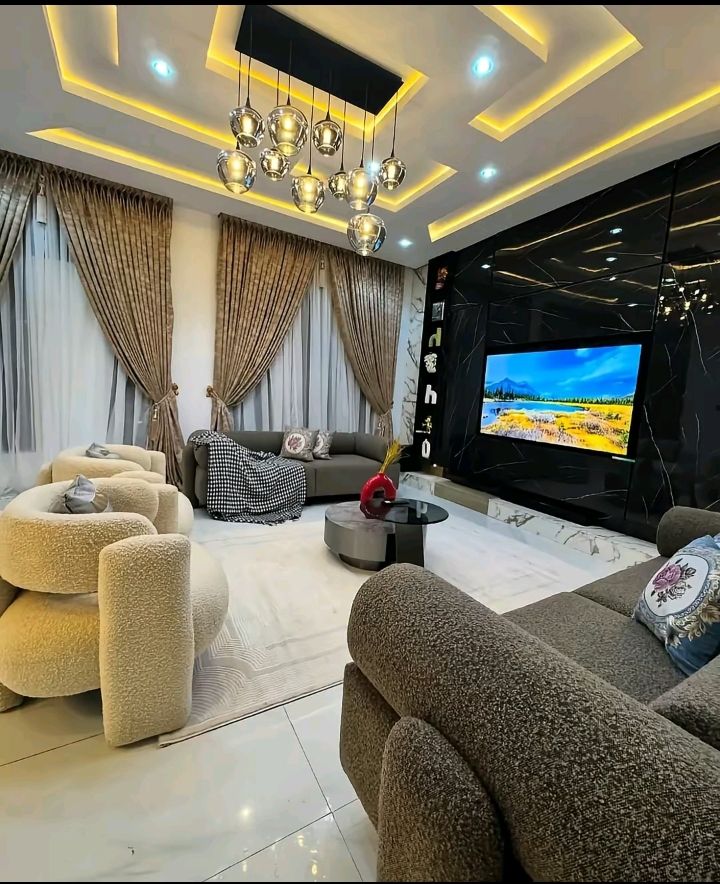
Just Bought a New House in Lagos? Here Is Your Complete Interior Finishing Checklist
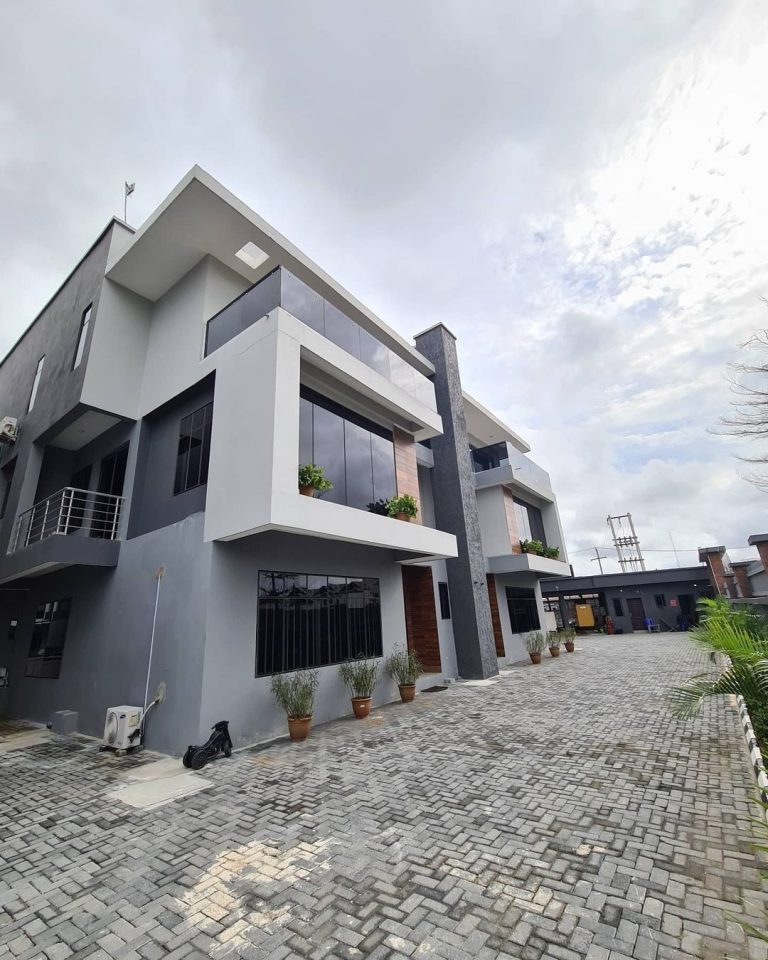
Buying a new house is an exciting achievement. Whether you have just completed the purchase of a property in Lekki, Ajah, Chevron, Sangotedo, Ikoyi, Victoria Island or another part of Lagos, receiving the keys is often only the beginning.
For many homeowners, the next big question is:
“How do I turn this empty house into a comfortable, functional and beautiful home?”
This is where interior finishing comes in.
Depending on the condition of the property, your new house may still require work such as ceiling installation, painting, lighting, electrical fittings, wardrobes, kitchen cabinets, wall finishes and other important details before it is ready for comfortable living.
Without proper planning, homeowners can easily spend more than necessary, hire the wrong artisans, repeat completed work or end up with a home that does not reflect the style and functionality they originally wanted.
This complete interior finishing checklist for new homeowners in Lagos will help you understand what to plan, what should come first and how to approach your project more efficiently.
What Is Interior Finishing?
Interior finishing refers to the work carried out inside a property to transform the structure into a completed and comfortable living space.
The exact scope will depend on the condition of your house and your personal requirements, but it may include:
- POP or gypsum ceiling installation
- Suspended ceilings
- Electrical fittings and lighting
- Interior painting
- Wallpaper installation
- Wall finishes
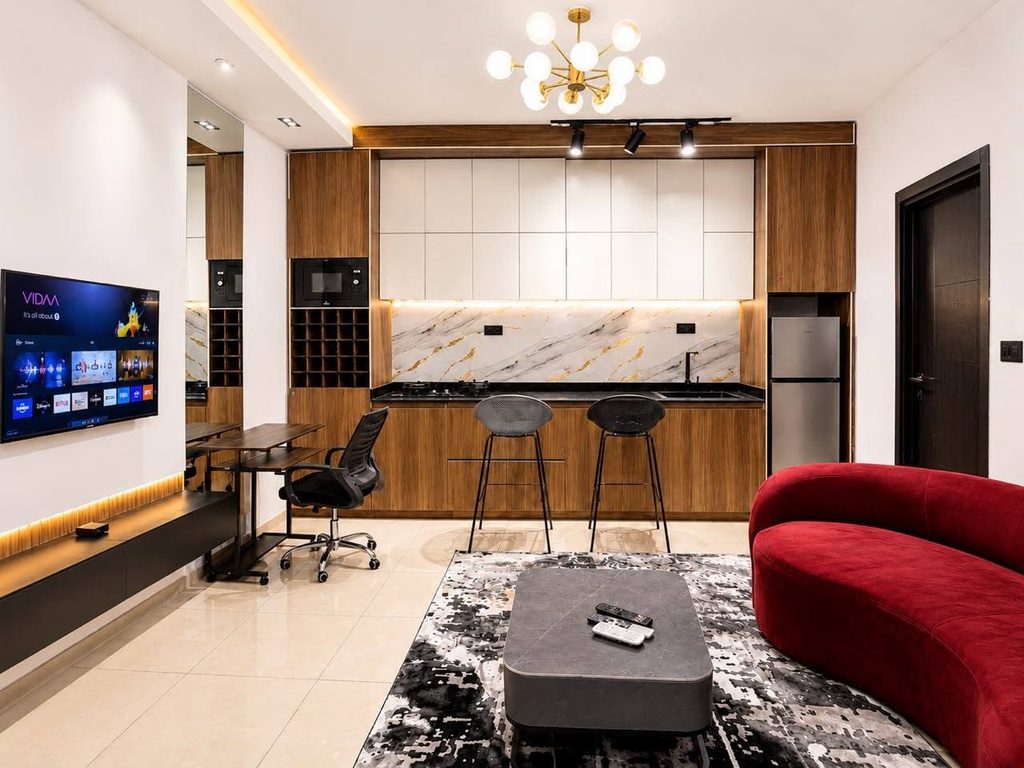
- Kitchen cabinets
- Bedroom wardrobes
- Doors and fittings
- Flooring improvements
- Bathroom finishing
- Interior decoration and styling
- Renovation and corrective work
A properly planned interior finishing project considers both appearance and functionality.
Your home should not only look beautiful. It should also work properly for the people living in it.
Step 1: Inspect the Entire House Before Starting Any Work
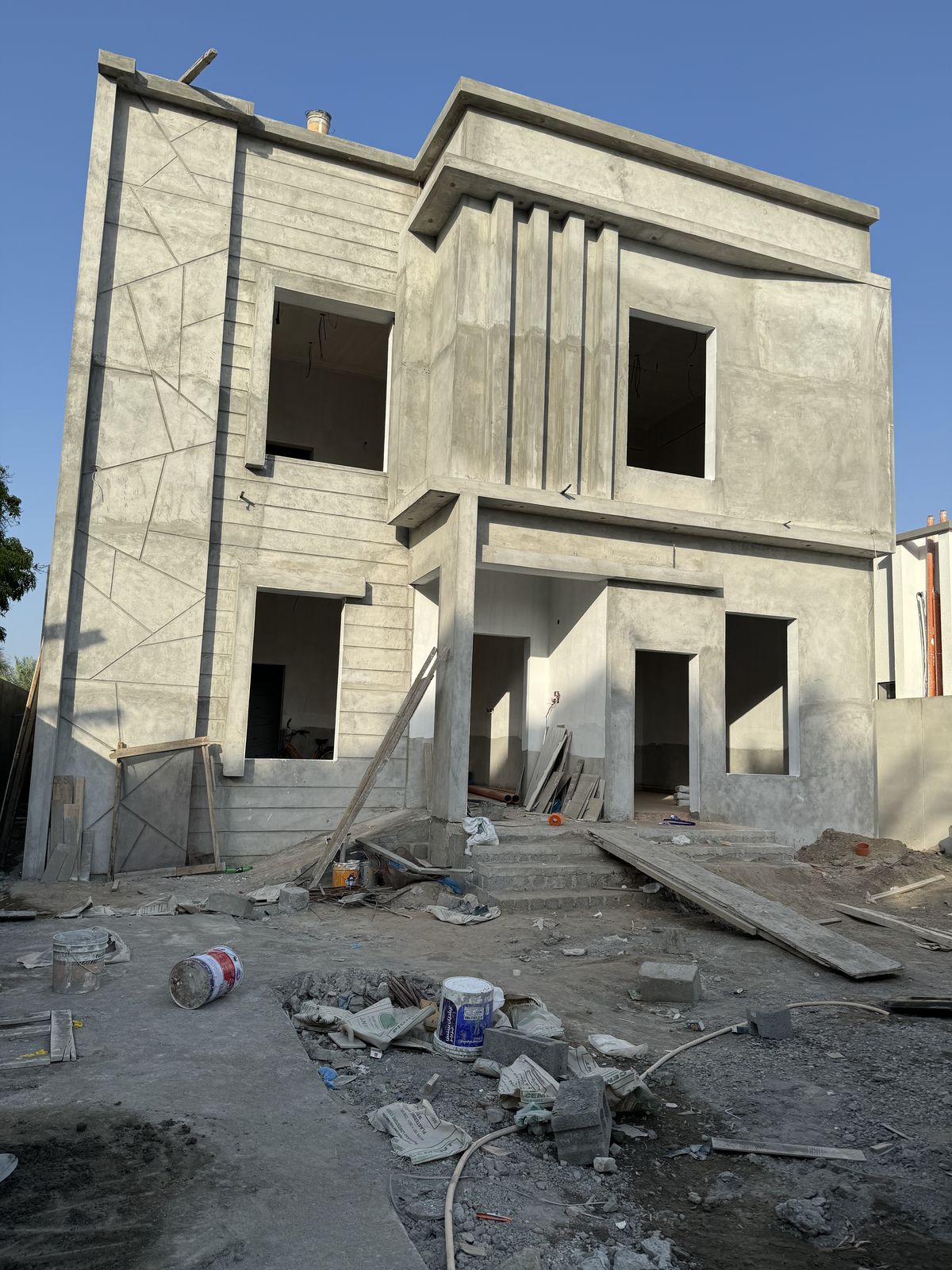
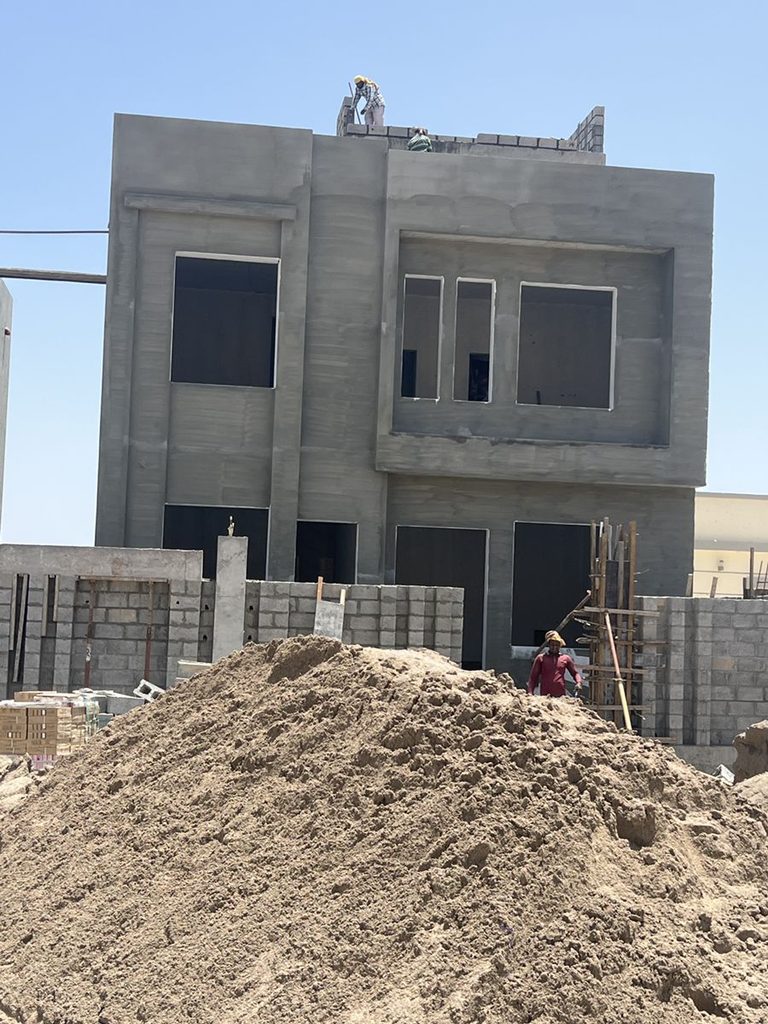
Before buying materials or hiring different artisans, take time to inspect the property carefully.
Walk through every room and make a list of what has already been completed and what still needs attention.
Check areas such as:
- Living room
- Bedrooms
- Kitchen
- Bathrooms
- Dining area
- Hallways
- Staircases
- Balconies
- Store rooms
- Outdoor spaces where applicable
Look out for issues such as:
- Cracks or damaged walls
- Water leakage
- Damp areas
- Incomplete electrical points
- Poor plumbing
- Uneven surfaces
- Damaged tiles
- Incomplete ceilings
- Doors that need adjustment
- Windows that require repairs
- Areas requiring repainting
Why this step is important
Starting decorative work before identifying structural or technical issues can create unnecessary expenses.
For example, it would be frustrating to install a beautiful POP ceiling and later discover that there is a roof leak above it.
The best approach is to identify and address necessary repairs before moving into the decorative and aesthetic stages of the project.
Step 2: Define What You Want Your Home to Look and Feel Like
Before work begins, think about the overall direction of your interior.
Ask yourself:
- Do I want a modern look?
- Do I prefer a simple and minimalist home?
- Do I want a luxury interior?
- Should the home feel warm and traditional?
- Which colours do I like?
- What type of ceiling design fits the property?
- How much storage do I need?
- Will children, guests or elderly family members be using the home?
It is helpful to create a simple plan or mood board showing the colours, finishes, furniture style and general atmosphere you want.
You do not need to copy everything you see online. Your interior should reflect your lifestyle, available space and budget.
A beautiful design that is difficult to maintain may not always be the best choice.
Step 3: Create Your Interior Finishing Budget
One of the biggest mistakes new homeowners make is starting an interior project without a clear budget.
Interior finishing costs can vary depending on factors such as:
- The size of the property
- The number of rooms
- The condition of the house
- Materials selected
- Type of ceiling
- Complexity of the design
- Quality of fittings
- Number of wardrobes and cabinets
- Electrical and lighting requirements
- Labour costs
- Additional renovation work
Instead of randomly purchasing materials as the project progresses, break your budget into categories.
For example:
Your interior finishing budget may include:
- Repairs and corrective work
- Ceiling installation
- Electrical fittings and lighting
- Painting
- Wallpaper and wall finishes
- Kitchen cabinets
- Wardrobes and storage
- Bathroom improvements
- Flooring where necessary
- Doors and fittings
- Labour and installation
- Contingency for unexpected expenses
It is wise to keep some flexibility in your budget because unforeseen issues can arise during the project.
The goal is not necessarily to choose the most expensive materials. The goal is to make informed decisions and invest in areas that will provide long-term value.
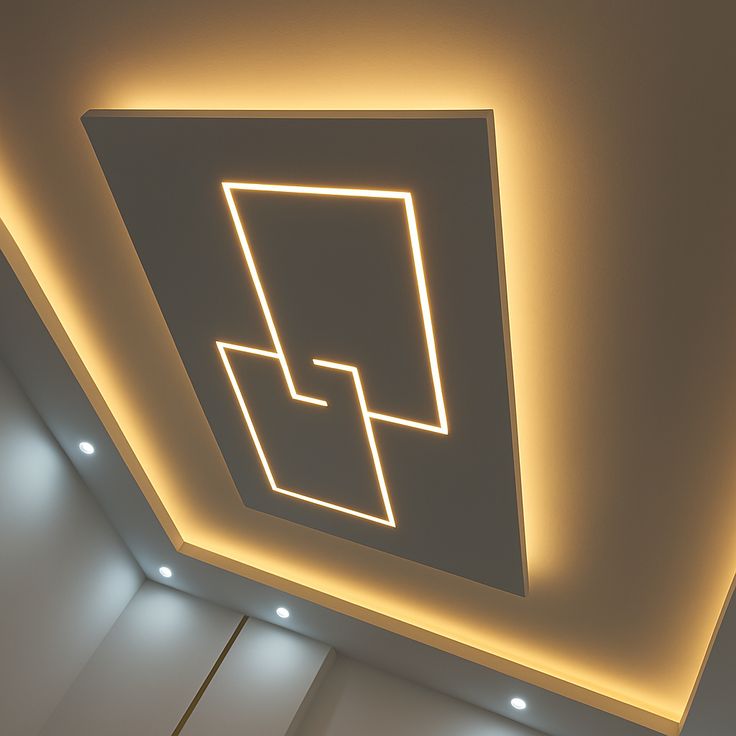
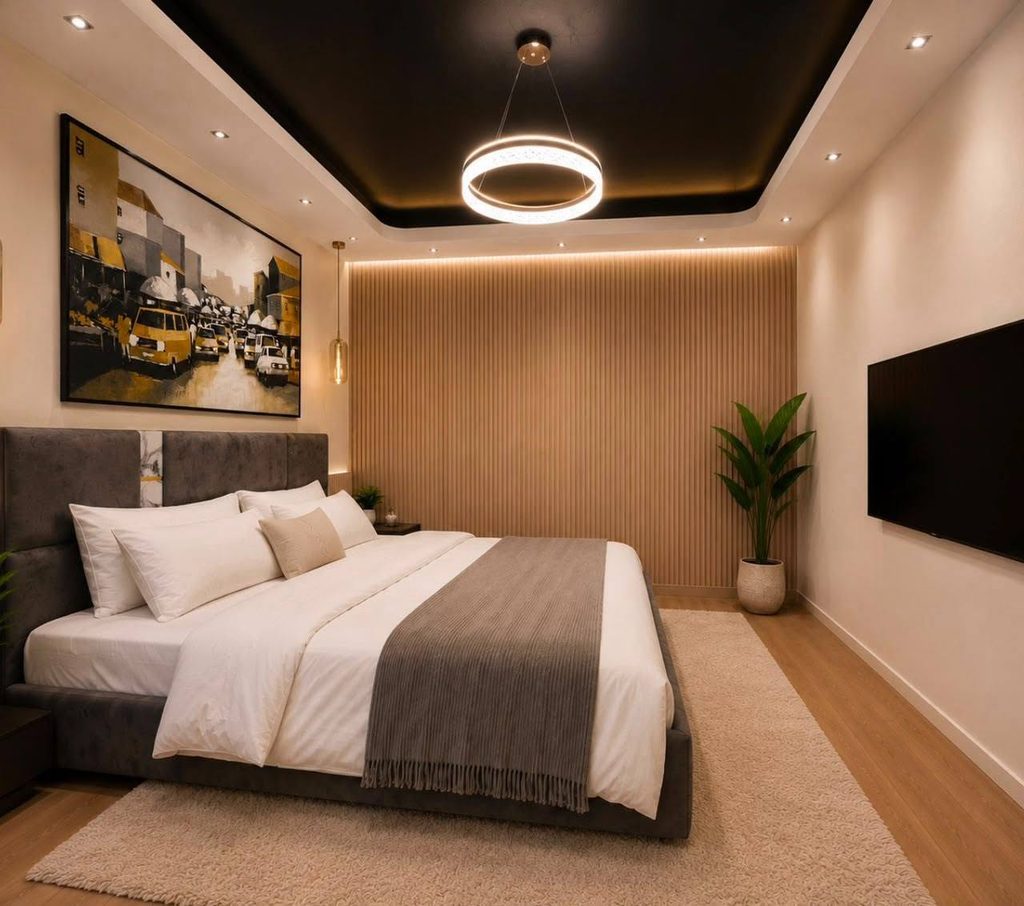
Step 4: Plan Your Ceiling Design
The ceiling can significantly influence the appearance of a room.
Depending on your preferences and the structure of your house, you may consider:
- POP ceilings
- Gypsum ceilings
- Suspended ceilings
- Simple modern ceilings
- Decorative living room ceilings
- Bedroom ceiling designs
- Ceiling designs with concealed lighting
Before selecting a design, consider the height of the room.
A very complex ceiling design may not be suitable for every space. In some homes, a simple and well-executed design can create a cleaner and more modern appearance.
You should also plan where lighting points, chandeliers, pendant lights and LED strips will be positioned.
This is why ceiling planning and electrical planning should be coordinated.
Before approving your ceiling design, ask:
- Does it suit the height of the room?
- Where will the main lights be installed?
- Will there be concealed lighting?
- Is the design easy to maintain?
- Does it match the overall interior style? Interior Renovation
Step 5: Plan Your Electrical Points and Lighting Before Painting
Electrical planning should happen before final decorative work.
Think carefully about how each room will be used.
For example, consider:
- Where televisions will be positioned
- Where air conditioners will be installed
- Where you need sockets
- Charging points
- Kitchen appliances
- Washing machines
- Water heaters
- Outdoor lighting
- Security lighting
- Mirror lighting
- Bedside lighting
- Study or work areas
Many homeowners realise after completing their interiors that they need additional sockets or lighting points.
At that stage, adding them may require cutting into newly painted walls or finished surfaces.
Proper planning can help prevent unnecessary rework.
Lighting can also change the mood of your home.
A combination of lighting types may be considered, including:
- General lighting
- Accent lighting
- Task lighting
- Decorative lighting
The goal is to create a space that is both functional and visually comfortable.
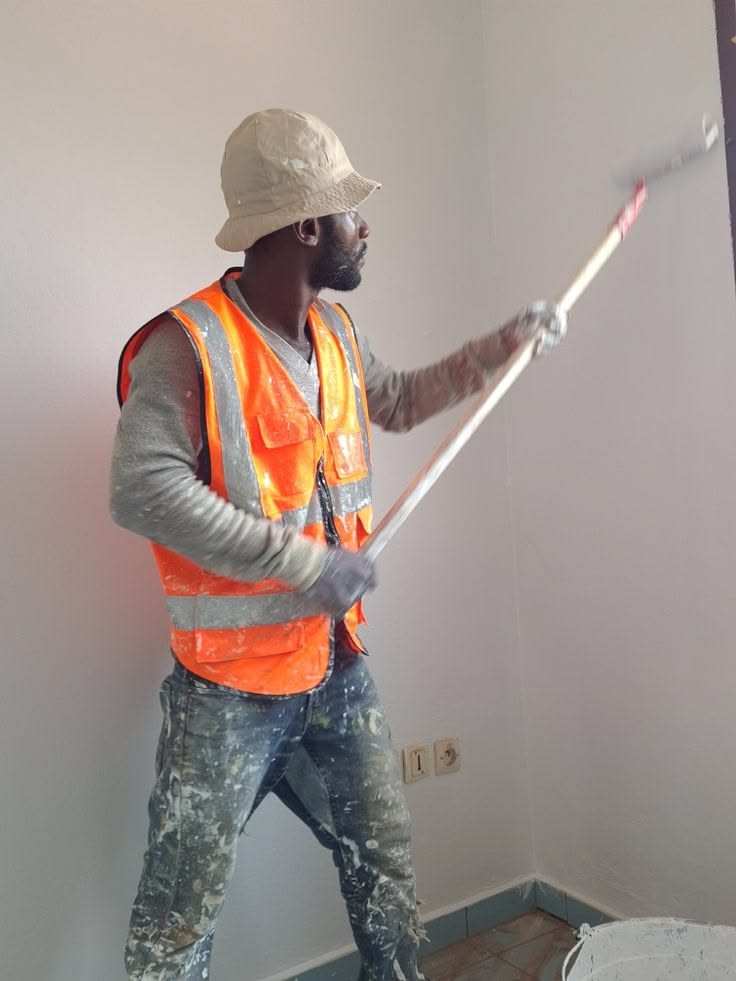
Step 6: Choose Your Wall Colours and Paint Carefully
Paint can completely transform the appearance of a room.
However, choosing colours simply because they look attractive in a small sample or online photo can sometimes lead to disappointing results.
When choosing colours, consider:
- Natural light in the room
- Room size
- Ceiling colour
- Floor tiles
- Furniture
- Curtains
- Overall interior style
Lighter colours can help some spaces feel brighter and more open, while deeper colours can be used strategically to create contrast and character.
It is also important to use appropriate quality paint and ensure that surfaces are properly prepared before painting begins.
Poor surface preparation can affect the final result.
A good painting process should consider:
- Wall preparation
- Filling cracks and imperfections
- Proper priming where required
- Colour selection
- Quality paint
- Professional application
- Finishing and touch-ups
Step 7: Consider Wall cladding and Other Wall Finishes
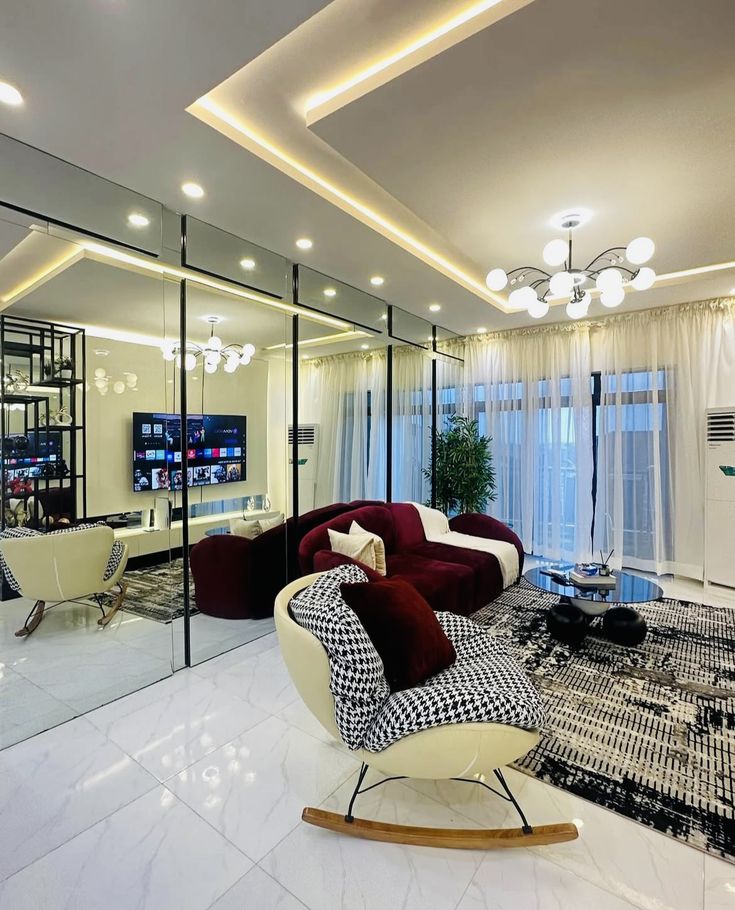
Wallpaper can add texture, colour and personality to selected areas of your home.
Popular areas may include:
- Feature walls in living rooms
- Bedrooms
- Dining areas
- Hallways
- Selected decorative spaces
However, wallpaper does not necessarily need to cover every wall.
Sometimes, a carefully selected feature wall can have a stronger visual impact than excessive decoration.
When choosing wallpaper, consider:
- The size of the room
- Lighting
- Existing furniture
- Wall condition
- Colour coordination
- Maintenance requirements
The objective should be to create balance rather than overcrowding the space.
Step 8: Plan Your Kitchen Before Installing Cabinets
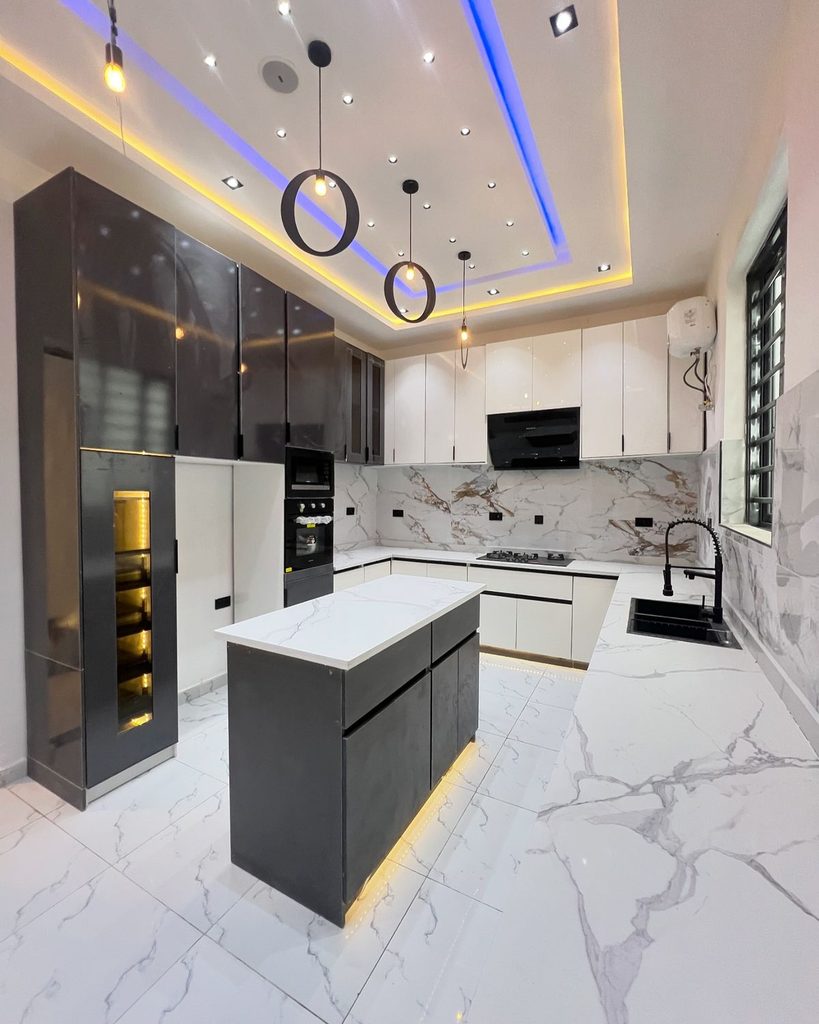
The kitchen is one of the most important functional spaces in the home.
Before ordering or installing kitchen cabinets, think about how you will actually use the kitchen.
Consider:
- Storage requirements
- Refrigerator position
- Cooker location
- Sink placement
- Microwave and oven space
- Countertop area
- Pantry storage
- Lighting
- Power outlets
A beautiful kitchen that lacks sufficient storage or workspace can become frustrating to use.
Your kitchen design should therefore combine aesthetics with practicality.
Before installing kitchen cabinets, confirm:
- Accurate measurements have been taken
- Plumbing positions are correct
- Electrical points are available
- Appliances have been considered
- Cabinet materials are suitable
- Storage requirements have been discussed
- The design works with the available space
Step 9: Install Wardrobes and Storage Solutions
Storage should not be treated as an afterthought. Interior Finishing Services
Bedrooms, hallways and other areas can quickly become cluttered when there is insufficient storage.
Built-in wardrobes can help homeowners make better use of available space.
Before designing wardrobes, consider:
- Number of people using the room
- Clothing storage requirements
- Shoe storage
- Accessories
- Bags
- Bed linen
- Space for other personal items
A wardrobe should be designed around the user’s needs rather than simply copying a design from another home.
Good storage planning can make your home more organised and easier to maintain.
Step 10: Complete Bathrooms and Other Functional Areas
Bathrooms may require attention to details such as:
- Shower fittings
- Water heaters
- Mirrors
- Vanity units
- Storage
- Lighting
- Ventilation
- Accessories
- Plumbing fixtures
Because bathrooms are regularly exposed to water and moisture, the quality of installation and materials is particularly important.
Any plumbing problems should ideally be addressed before decorative finishes are completed.
Step 11: Consider Flooring, Doors and Final Fixtures
Depending on the condition of your new property, you may also need to address:
- Damaged tiles
- Floor finishing
- Skirting
- Door handles
- Locks
- Door adjustments
- Window treatments
- Curtains or blinds
These details may appear small individually, but together they contribute significantly to the final appearance and functionality of the home.
Step 12: Do Not Buy Everything at Once Without a Plan
One common mistake is buying materials and fittings simply because they appear attractive.
This can lead to:
- Colours that do not match
- Incorrect measurements
- Wasted materials
- Unnecessary spending
- Storage problems
- Delays during installation
Instead, create a coordinated plan.
For example, your ceiling design, lighting, paint colours, wallpaper, furniture and flooring should complement one another.
A home does not need every available decorative feature to look beautiful.
In many cases, good planning and quality execution are more important than excessive decoration.
Step 13: Coordinate Your Artisans and Contractors
Interior finishing can involve different professionals.
Depending on the project, this may include:
- Ceiling installers
- Electricians
- Plumbers
- Painters
- Carpenters
- Cabinet makers
- Wallpaper installers
- Tilers
- Interior finishing specialists
Managing multiple people independently can become stressful, particularly when one stage depends on another.
For example, electrical work may need to be completed before ceiling finishing. Wall preparation should be properly coordinated before painting or wallpaper installation.
Poor coordination can result in completed work being damaged when another artisan begins their own work.
This is why having a clear project sequence and proper supervision is important. Services
A Simple Interior Finishing Order for New Homeowners
While every project is different, a typical sequence may look like this:
1. Property inspection and planning
Identify repairs, incomplete work and your overall requirements.
2. Budget and project scope
Decide what needs to be done and allocate your budget.
3. Repairs and corrective work
Address leaks, cracks, plumbing or electrical issues.
4. Electrical and plumbing adjustments
Install or reposition necessary points before final finishes.
5. Ceiling installation
Complete POP, gypsum or suspended ceiling work.
6. Wall preparation
Prepare walls for painting or wallpaper.
7. Painting and wall finishes
Apply paint and install selected wall finishes.
8. Kitchen cabinets and wardrobes
Install major storage and cabinetry.
9. Lighting and electrical fittings
Install lights, switches and other fittings.
10. Final fixtures and finishing touches
Complete mirrors, accessories, curtains, doors and other details.
11. Final inspection and cleaning
Inspect the entire project before moving in.
The exact order may vary depending on your project, but having a clear workflow helps reduce unnecessary delays and rework.
Common Interior Finishing Mistakes New Homeowners Should Avoid
1. Starting Without a Clear Plan
Starting work without knowing the final direction of the project can result in constant changes and additional expenses.
2. Focusing Only on Appearance
Your home should be functional as well as beautiful.
Storage, electrical points, lighting and everyday usability should be considered.
3. Choosing Materials Based Only on Price
The cheapest option may not always provide the best long-term value.
Consider durability, maintenance and suitability for the intended space.
4. Ignoring Proper Measurements
Incorrect measurements can lead to wasted materials and poorly fitted cabinets, wardrobes or fixtures.
5. Changing Plans Too Frequently
Frequent changes after work has started can increase costs and delay completion.
6. Allowing Poor Coordination Between Different Artisans
When different stages are not properly coordinated, completed work can be damaged or repeated.
7. Forgetting About Lighting
Lighting should be planned early, especially when ceiling designs or concealed lighting are involved.
8. Spending Everything Without a Contingency
Unexpected repairs or additional requirements can arise during the project.
Your Complete New Home Interior Finishing Checklist
Before moving into your new house, review this checklist:
Planning
- Inspect the entire property
- Identify repairs and incomplete areas
- Define your preferred interior style
- Prepare a realistic budget
- Create a project schedule
Ceilings and Electrical
- Select your ceiling design
- Plan lighting positions
- Confirm electrical points
- Plan air conditioner locations
- Consider backup and security requirements where applicable
Walls and Finishes
- Prepare wall surfaces
- Choose paint colours
- Select wallpaper or feature walls
- Complete painting
Kitchen
- Confirm kitchen layout
- Plan appliance positions
- Install cabinets
- Confirm adequate storage
- Check plumbing and electrical points
Bedrooms
- Install wardrobes
- Plan lighting
- Consider storage requirements
- Prepare window treatments
Bathrooms
- Check plumbing
- Install fittings
- Install mirrors and storage
- Confirm ventilation
Final Stage
- Install final light fittings
- Check doors and locks
- Complete final touch-ups
- Inspect all completed work
- Carry out professional cleaning before moving in
How Helomia Homes Touch Can Help With Your Interior Finishing Project
Finishing a new home involves many decisions, materials and different stages of work.
At Helomia Homes Touch, we help homeowners plan and execute interior finishing projects with a focus on functionality, quality and a coordinated final result.
Depending on your requirements, our services can include:
- Interior finishing
- POP and gypsum ceiling installation
- Suspended ceilings
- Painting
- Wallpaper installation
- Kitchen cabinets
- Wardrobes
- Home renovation
- Project supervision
- Property support for clients managing projects remotely
Whether you have just purchased a new house or you are preparing an existing property for renovation, proper planning can make a significant difference to the final result.
Ready to Start Finishing Your New Home?
Buying your house is a major achievement. The next step is turning that property into a home that is comfortable, functional and reflects your lifestyle.
Instead of rushing from one artisan to another without a coordinated plan, start by understanding the full scope of your project.
If you are planning interior finishing for a new home in Lagos, Helomia Homes Touch can help you assess your property, identify the work required and plan the next steps.
Contact Helomia Homes Touch today to discuss your interior finishing project and arrange an inspection. Contact Us
Your new house deserves more than random finishing decisions.
Let us help you turn it into a home.