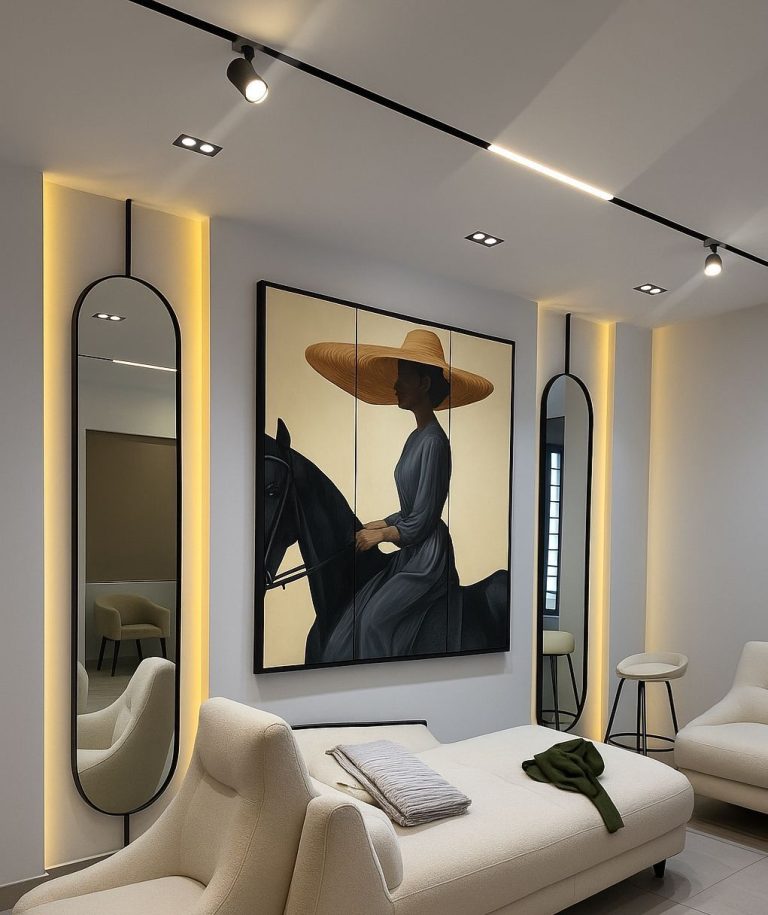
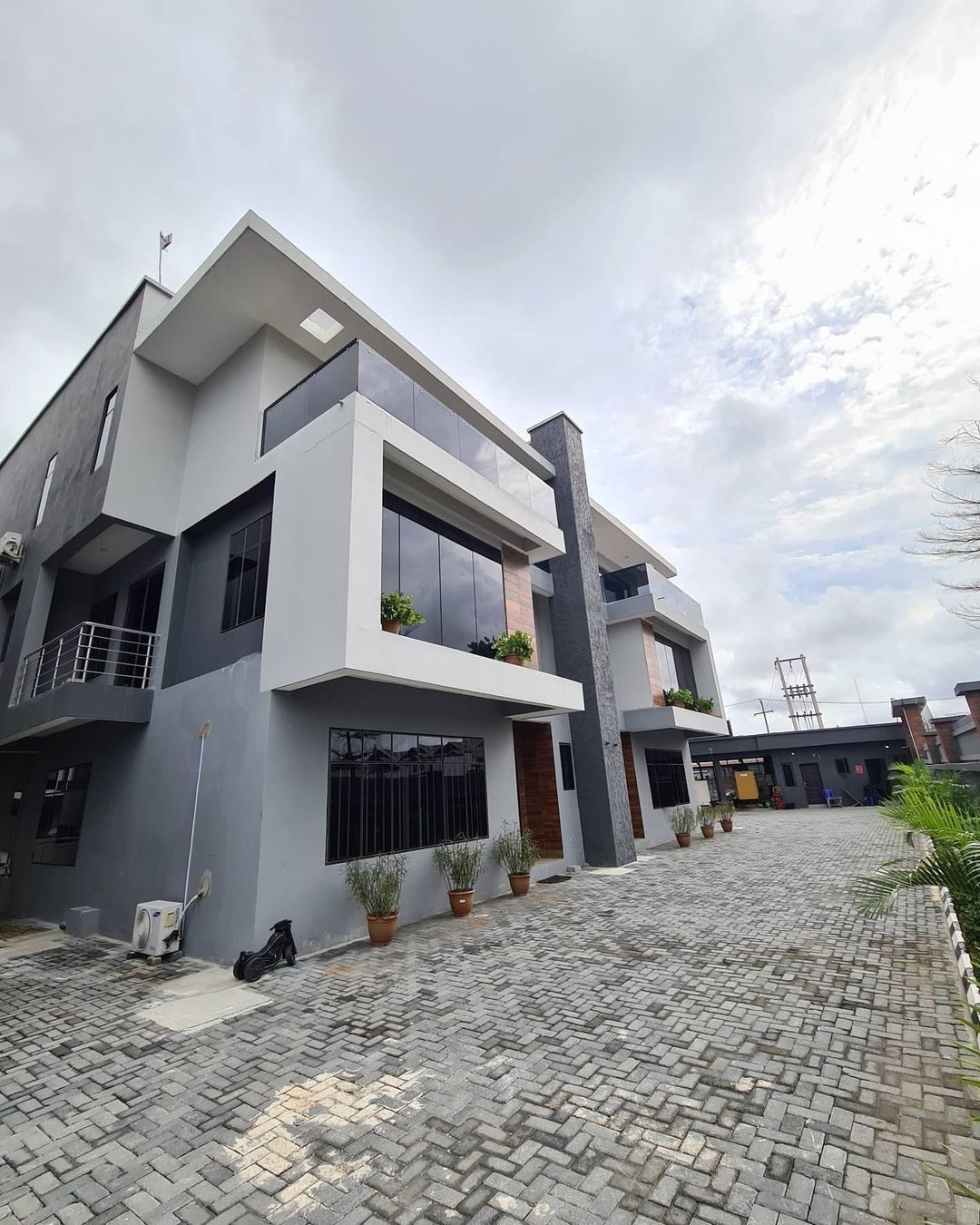
Just Bought a New House in Lagos? Here Is Your Complete Interior Finishing Checklist
Buying a new house in Lagos is a major achievement. Whether you have purchased a newly built duplex in Lekki, a terrace house in Ajah, an apartment in Victoria Island, or a family home elsewhere in Lagos, there is usually still plenty to do before the property feels completely ready.
A newly purchased house may have the basic structure completed, but the interior can still require POP or gypsum ceiling work, painting, flooring, lighting, wardrobes, kitchen cabinets, wallpaper, bathroom finishing and other interior finishing services.
This is where proper planning becomes important.
Starting interior finishing without a clear plan can result in unnecessary expenses, repeated work, delays and an interior that does not come together as expected.
This complete interior finishing checklist will help you understand what to do, what to prioritise and how to organise your project from an unfinished interior to a comfortable and beautiful home.
What Is Interior Finishing?
Interior finishing refers to the work carried out inside a property to complete, improve and personalise the interior space.
Depending on the condition of the house, this may include:
- POP ceiling installation
- Gypsum board ceiling designs
- Painting
- Wall preparation
- Wallpaper installation
- Wall cladding
- Floor finishing
- Lighting installation
- Kitchen cabinets
- Fitted wardrobes
- Bathroom finishing
- Doors and other joinery
- Decorative features
- General interior improvements
The exact work required depends on whether you purchased a newly built house, a recently completed property or an older house that needs renovation.
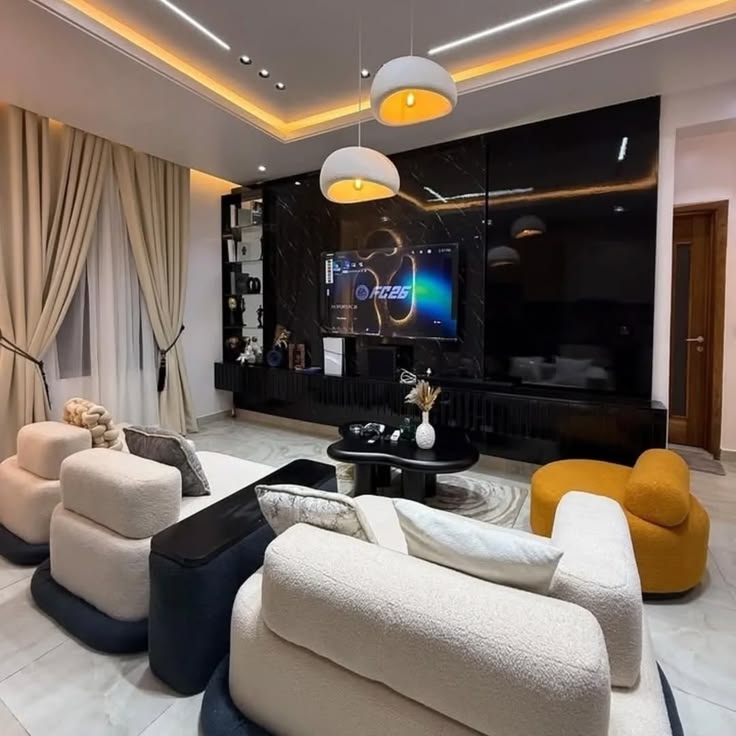
Complete Interior Finishing Checklist for a New House in Lagos
1. Inspect the Property Before Starting
Before choosing colours, furniture or decorative features, inspect the property carefully.
Do not assume that because you have bought a new house, everything underneath the finishing is perfect.
Check:
- Walls
- Floors
- Ceilings
- Plumbing
- Electrical points
- Windows
- Doors
- Water supply
- Drainage
- Bathrooms
- Kitchen area
- Existing fittings
- Dampness or water leakage
- Cracks or other visible defects
If there are construction defects or outstanding building works, identify them before beginning expensive interior finishing.
This is particularly important because some finishing work may need to be removed if underlying problems are discovered later.
2. Create an Interior Finishing Budget
One of the biggest mistakes homeowners make is starting an interior project without establishing a realistic budget.
Your budget should cover more than just furniture.
Depending on the property, you may need to budget for:
- Ceiling installation
- Painting
- Electrical work
- Lighting
- Flooring
- Kitchen cabinets
- Wardrobes
- Bathroom fittings
- Wallpaper
- Wall cladding
- Doors and joinery
- Labour
- Transportation
- Installation
- Contingency expenses
It is also wise to keep a contingency amount for unexpected expenses.
For example, you may discover that an electrical point needs to be moved after your initial inspection. If your budget has no room for adjustments, the project can quickly become stressful.
3. Decide on Your Interior Design Style
Before purchasing materials, decide how you want your home to look.
Some homeowners prefer:
- Modern minimalist interiors
- Contemporary interiors
- Luxury interiors
- Warm and cosy designs
- Classic interiors
- Modern African-inspired interiors
- Simple and functional designs
You do not have to copy another person’s house.
Instead, consider the people who will use the property, the size of each room and the amount of maintenance you are comfortable with.
A beautiful design that is difficult to maintain may not be the best choice for your home.
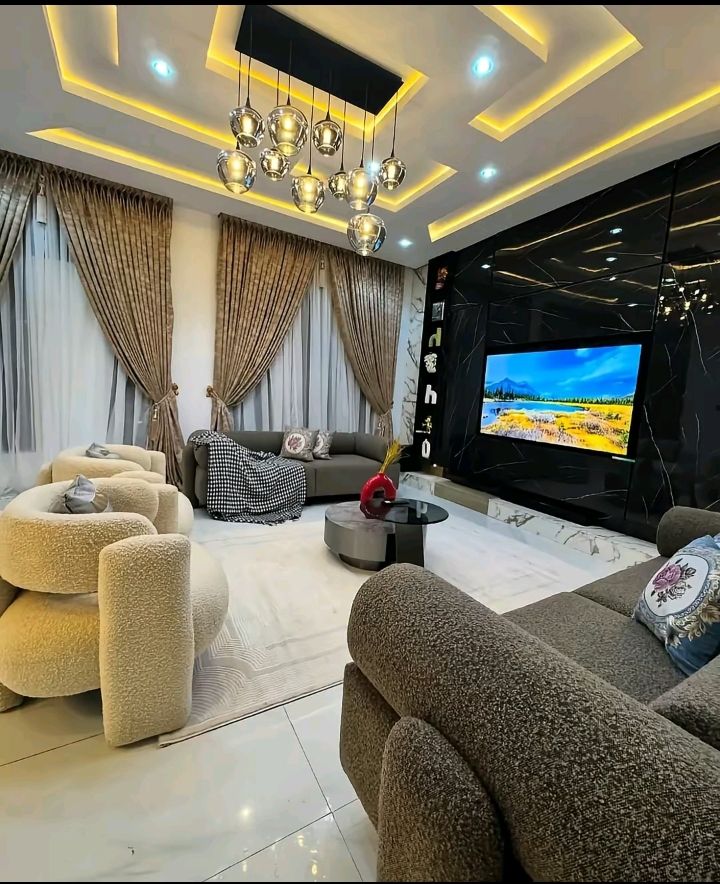
4. Plan Your Ceiling Design
Your ceiling can significantly influence the appearance of your interior.
Popular options include:
- POP ceilings
- Gypsum board ceilings
- Suspended ceilings
- Simple recessed ceilings
- Decorative ceiling designs
- Cove lighting
- LED strip lighting
For larger living rooms and open-plan spaces, a well-designed ceiling can help define different areas.
However, avoid choosing an elaborate ceiling design simply because it looks impressive in another house.
The design should complement the size and architecture of your own property.
Things to consider
Before installing a ceiling, determine:
- Lighting positions
- Air-conditioning points
- Curtain positions
- Electrical wiring
- Ceiling height
- Design style
- Maintenance access
Planning these elements beforehand can reduce unnecessary alterations later.
5. Complete Electrical and Lighting Work
Lighting should be planned alongside your ceiling and interior design.
Consider the different types of lighting your home needs:
Ambient lighting
This provides general illumination for the room.
Task lighting
This is useful in areas where you perform specific activities, such as kitchens, study areas and dressing spaces.
Accent lighting
This can highlight artwork, wall features, ceilings or architectural details.
Before closing up ceilings or walls, ensure that electrical work has been properly planned.
You should also consider where you want:
- Chandeliers
- Pendant lights
- Spotlights
- Wall lights
- LED strips
- Outdoor lights
- Socket outlets
- Television points
- Internet points
Changing electrical positions after finishing work has been completed can create unnecessary additional costs.
6. Prepare the Walls Properly Before Painting
Painting is one of the most visible parts of interior finishing, but the quality of the final result depends heavily on preparation.
Before painting, walls may need:
- Filling
- Sanding
- Surface correction
- Priming
- Crack treatment
- Moisture checks
Do not rush directly into applying the final paint colour.
If the wall surface is uneven or damaged, even an expensive paint may not produce the desired result.
7. Choose Your Interior Paint Colours
Your choice of colour can affect how spacious, bright and comfortable a room feels.
For example, neutral colours can provide a clean and flexible foundation, while carefully selected accent colours can add personality.
Consider the following before choosing paint:
- Natural light
- Room size
- Ceiling height
- Flooring colour
- Furniture
- Curtains
- Lighting
- Overall design style
You should also consider how the colours will work together throughout the house.
Instead of choosing every room independently, develop a general colour scheme that creates a sense of continuity.
8. Plan Your Flooring
If the flooring is not already completed, decide what type of flooring is suitable for each area.
Options may include:
- Porcelain tiles
- Ceramic tiles
- Vinyl flooring
- Wooden flooring
- Marble or stone finishes
- Other suitable floor finishes
Different areas have different requirements.
For example, kitchens and bathrooms need flooring that can handle moisture and regular cleaning.
Your choice should balance:
Appearance + durability + maintenance + budget.
Do not choose flooring based only on appearance.
9. Plan Your Kitchen Cabinets
The kitchen is one of the most important areas to plan carefully.
If the property does not already have a completed kitchen, consider:
- Base cabinets
- Wall cabinets
- Tall storage units
- Worktop
- Sink
- Backsplash
- Handles
- Drawers
- Appliance positions
- Storage requirements
- Lighting
Before cabinetry installation, confirm the positions of:
- Plumbing points
- Electrical sockets
- Cooker
- Refrigerator
- Microwave
- Extractor
- Washing machine or dishwasher where applicable
A kitchen should be designed around how you actually use it.
10. Measure and Plan Your Wardrobes
Bedrooms can quickly become cluttered when there is insufficient storage.
Fitted wardrobes can help maximise available space while creating a cleaner appearance.
Before installing wardrobes, consider:
- Available wall space
- Ceiling height
- Number of users
- Hanging space
- Drawers
- Shelves
- Shoe storage
- Accessories
- Sliding or hinged doors
- Internal lighting
Do not simply copy a wardrobe design from another property.
The internal configuration should reflect your own storage needs.
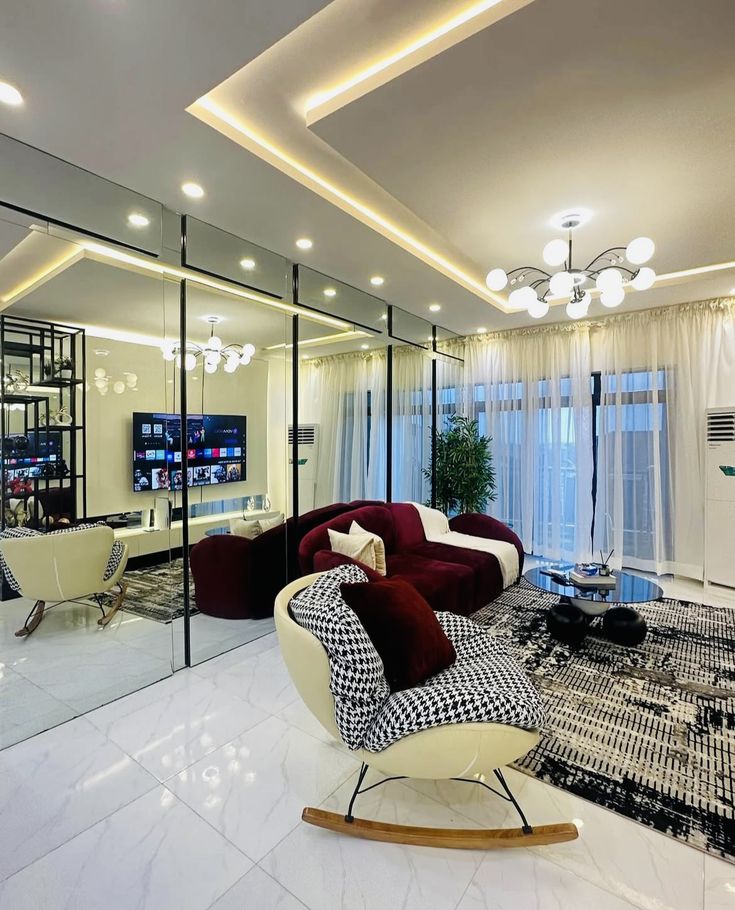
11. Consider Wall Features
Not every wall needs to be painted in the same way.
Wallpaper, wall cladding and other decorative treatments can be used to create focal points.
You might consider a feature wall in:
- The living room
- Master bedroom
- Dining area
- Entrance
- TV wall
The key is balance.
Using too many competing wall treatments can make a home look visually crowded.
12. Complete the Bathrooms
Bathrooms should be treated as functional spaces as well as design spaces.
Check:
- Wall tiles
- Floor tiles
- Shower area
- WC
- Wash hand basin
- Mirrors
- Shower fittings
- Towel rails
- Storage
- Lighting
- Ventilation
- Water drainage
Make sure plumbing issues are resolved before decorative finishing is completed.
A water leak discovered after painting or wall finishing can damage work that you have already paid for.
13. Plan Your Doors, Curtains and Window Treatments
Doors and windows contribute significantly to the overall appearance of an interior.
Depending on the property, you may need to consider:
- Internal doors
- Door handles
- Curtain rods
- Blinds
- Curtains
- Sheer curtains
- Motorised blinds where appropriate
Window treatments should complement your wall colours, furniture and general design.
14. Think About Air Conditioning and Other Installations
Before completing ceilings and walls, determine where major equipment will be installed.
This may include:
- Air conditioners
- Television
- Water heaters
- Internet equipment
- Security systems
- CCTV
- Speakers
- Home automation equipment
Planning these installations early can help prevent visible cables and unnecessary drilling after the interior has been completed.
15. Do the Heavy and Dusty Work First
A useful principle when planning interior finishing is:
Complete dusty and disruptive work before delicate finishing and decoration.
For example, ceiling installation, major electrical work and certain wall works should generally be completed before final painting and decorative installation.
If you paint the house first and then begin extensive drilling and ceiling work, you may end up paying for repainting.
Proper sequencing can save both time and money.
16. Create a Room-by-Room Checklist
Instead of looking at the entire house as one large project, divide it into sections.
Living Room
- Ceiling
- Lighting
- Painting
- TV wall
- Flooring
- Curtains
- Electrical points
- Furniture
Bedrooms
- Ceiling
- Painting
- Lighting
- Wardrobes
- Flooring
- Curtains
- Electrical points
Kitchen
- Cabinets
- Worktop
- Backsplash
- Sink
- Plumbing
- Lighting
- Appliances
Bathrooms
- Tiles
- Sanitary fittings
- Shower
- Mirror
- Lighting
- Storage
- Drainage
Entrance/Hallway
- Lighting
- Painting
- Wall feature
- Flooring
- Decorative elements
This makes it easier to monitor what has been completed and what remains.
17. Do Not Buy Everything at Once
Another common mistake is purchasing materials and fittings before the design and measurements have been confirmed.
For example, buying a large wardrobe before measuring the bedroom can create problems.
The same applies to:
- Curtains
- Light fittings
- Kitchen appliances
- Furniture
- Wall panels
- Mirrors
- Decorative items
Where possible, measure first, finalise the design and then purchase.
18. Work With the Right Interior Finishing Professionals
Interior finishing involves different skills.
Depending on your project, you may need:
- Interior finishing specialists
- POP/gypsum installers
- Painters
- Electricians
- Plumbers
- Tilers
- Cabinet makers
- Wardrobe installers
- Wallpaper installers
- Other specialised artisans
Do not choose a contractor based solely on the lowest price.
Consider:
- Previous work
- Experience
- Workmanship
- Communication
- Project management
- Materials being used
- Timeline
- Payment terms
- Ability to coordinate with other workers
A cheaper quotation can become more expensive if poor workmanship leads to rework.
19. Supervise the Work
Even when you have hired professionals, the project still needs proper supervision.
Regular supervision can help identify:
- Incorrect measurements
- Wrong materials
- Poor workmanship
- Delays
- Unapproved changes
- Wastage
- Incomplete work
This is particularly important when the homeowner is not available to visit the property regularly.
For homeowners living outside Lagos or Nigerians abroad, having a reliable person physically monitoring the project can make a significant difference.
20. Keep Records of Payments and Materials
Keep proper records throughout the project.
Record:
- Contractor payments
- Material purchases
- Labour costs
- Delivery charges
- Additional work
- Changes to the original scope
- Outstanding payments
This creates accountability and makes it easier to understand where your project budget is going.
How Long Does Interior Finishing Take in Lagos?
There is no single timeline that applies to every house.
The duration depends on:
- Property size
- Current condition
- Scope of work
- Number of workers
- Material availability
- Design complexity
- Contractor coordination
- Changes made during the project
A simple interior refresh may take considerably less time than a complete interior finishing project involving ceilings, electrical work, painting, cabinetry, wardrobes, bathrooms and other installations.
The best approach is to establish a realistic project schedule before work begins.
How Much Does Interior Finishing Cost in Lagos?
The cost of interior finishing varies significantly from one property to another.
Factors that influence cost include:
- Size of the property
- Number of rooms
- Materials selected
- Ceiling design
- Paint quality
- Flooring
- Kitchen design
- Wardrobes
- Lighting
- Bathroom fittings
- Labour
- Design complexity
- Existing condition of the property
For this reason, it is better to have your property inspected and the required work assessed before relying on a generic price estimate.
Common Interior Finishing Mistakes New Homeowners Should Avoid
1. Starting without a budget
This can lead to uncontrolled spending.
2. Changing the design halfway through
Frequent changes can cause delays and additional costs.
3. Choosing materials based only on appearance
Durability and maintenance matter too.
4. Ignoring electrical planning
Poor planning can lead to visible cables and expensive corrections.
5. Painting before dusty work is complete
You may have to repaint damaged areas.
6. Hiring workers without checking their previous work
Experience and workmanship matter.
7. Buying furniture before measuring the room
Furniture should fit the space.
8. Focusing only on aesthetics
A beautiful house should also be functional.
9. Paying for work without proper documentation
Keep records of agreements, payments and changes.
10. Trying to manage everything yourself
Coordinating several artisans can become time-consuming, especially when you have work or other responsibilities.
Your New Home Interior Finishing Checklist
Before considering your interior finishing project complete, go through this checklist:
☐ Property inspected
☐ Defects identified and addressed
☐ Interior design direction chosen
☐ Budget prepared
☐ Ceiling design planned
☐ Electrical points confirmed
☐ Lighting planned
☐ Walls prepared
☐ Painting completed
☐ Flooring completed
☐ Kitchen planned and installed
☐ Wardrobes measured and installed
☐ Bathrooms completed
☐ Wallpaper or wall features installed
☐ Curtains/window treatments completed
☐ Air-conditioning positions confirmed
☐ Furniture measured and arranged
☐ Final cleaning completed
☐ Defects checked
☐ Outstanding work completed
Need Help Finishing Your New House in Lagos?
Buying a house is only the beginning. Turning it into a comfortable, functional and beautiful home requires proper planning, quality workmanship and effective coordination.
At Helomia Homes Touch, we help homeowners coordinate and complete interior finishing projects in Lagos.
Our services include:
- Interior finishing
- POP and gypsum ceiling installation
- Painting
- Wallpaper installation
- Wall cladding
- Kitchen cabinetry
- Fitted wardrobes
- Interior renovation
- Renovation supervision
- Property project coordination
Whether you have just bought a new house or you are preparing an existing property for occupation, we can help you assess the work required and coordinate the finishing process.
Ready to start your interior finishing project?
Contact Helomia Homes Touch to discuss your project.
You can also learn more about our interior finishing services.
Finally
A new house becomes a home through thoughtful planning, good finishing and proper attention to detail.
Rather than rushing from one artisan to another, create a clear plan, establish your priorities, set a realistic budget and complete the work in the right order.
Whether your property is in Lekki, Ajah, Chevron, Ikoyi, Victoria Island or another part of Lagos, a properly coordinated interior finishing project can help you avoid unnecessary rework and create a home that is both beautiful and practical.
Plan properly. Finish systematically. Enjoy your new home.